On this page
Short answer: A good microblading course curriculum moves from theory to practice skin to a real client. Over Elite’s 5-day course, students cover brow anatomy, mapping, hygiene and pigment, then hand-stroke technique, brow shading and a supervised live model day, and finish with aftercare and next steps such as chair rental. The exact daily schedule is confirmed at enrollment.
What modules does a microblading course cover?
Elite Permanent Makeup and Cosmetology College lists four modules for its 5-day microblading course, which is built for people with little or no experience:
- Microblading. Hands-on practice creating natural-looking hair strokes.
- Live model day. A full procedure on a real person with instructors guiding you. One live model is provided.
- Brow shading. Shading techniques that add fullness, useful for clients who are not good candidates for strokes alone.
- Salon chair rental. After training, graduates can bring their own clients and work from Elite’s licensed Los Angeles salon.
Around those modules sit the foundations every new artist needs: skin, hygiene, measurement and color. The rest of this guide describes how a 5-day course like this typically flows. Treat it as a realistic picture rather than a fixed timetable, since the order of topics can shift with the group and the model schedule.
What does a typical 5-day flow look like?
| Stage | Main focus | What you leave with |
|---|---|---|
| Day 1 | Foundations: hygiene, skin, tools, brow anatomy and mapping | A clean setup routine and your first measured brow shapes |
| Day 2 | Stroke technique on practice skin, pigment basics | Pages of practice strokes and a feel for blade pressure |
| Day 3 | Full brow patterns, brow shading, consultations | Complete practice brows that combine strokes and shading |
| Day 4 | Live model day under supervision | Your first real procedure, start to finish |
| Day 5 | Review, aftercare, healing, building your business | A plan for practice and your first clients |
Day 1: what are the foundations?
The first day is mostly about the things clients never see but always depend on. You learn how microblading works: a hand tool with tiny needles deposits pigment into the upper layers of skin in fine lines that imitate brow hairs. From there, the focus turns to safety and setup.
- Hygiene and cross-contamination. How to set up a station, handle single-use blades, and keep clean and dirty surfaces apart. This builds on the bloodborne pathogens course students complete online before class.
- Skin basics. Why oily, dry, thin and mature skin heal differently, and why some clients need to wait or check with their doctor first.
- Brow anatomy and mapping. Using rulers, pencils and facial landmarks to draw symmetrical brows that suit the face. Elite also teaches a separate brow mapping course for students who want to go deeper.
Most students are surprised how much of day one is drawing. That is deliberate: a perfect stroke in the wrong shape is still the wrong brow.
Day 2: how do you learn the strokes?
Day two is where the blade comes out, on practice skin first. You practice holding the tool at the right angle, keeping steady pressure, and pulling strokes that are crisp, evenly spaced and curved like real hair. Expect many repetitions of the same simple pattern before moving to full brows.
Instructors watch for a few classic beginner habits at this stage: pressing too hard and cutting too deep, letting strokes run parallel instead of following natural hair growth, and crowding strokes so tightly that they blur together as they heal. Catching these early on practice skin is far easier than unlearning them later, which is why so much of the day is repetition with feedback rather than new material.
Color theory usually enters here too. You learn how pigment choice relates to the client’s hair color and skin undertone, and why a shade that looks right in the bottle can heal warmer or cooler on skin. The Perma Blend pigments in the starter kit give you something consistent to practice with.
Day 3: what does brow shading add?
Not every client is a good fit for strokes alone. Very oily skin, for example, tends to blur fine lines as it heals, and some clients simply prefer a fuller, softer look. Brow shading gives you a second tool: a soft fill that can stand on its own or sit behind strokes for added density.
This stage also usually covers the consultation, which is as much a skill as the technique itself:
- Asking about health history, medications and previous brow tattoos.
- Explaining what healing looks like and how results vary from person to person.
- Recognizing when to postpone or refer a client, for example during pregnancy or when a medical condition calls for a doctor’s input first.
- Agreeing on shape and color before any pigment touches the skin.
Day 4: what happens on live model day?
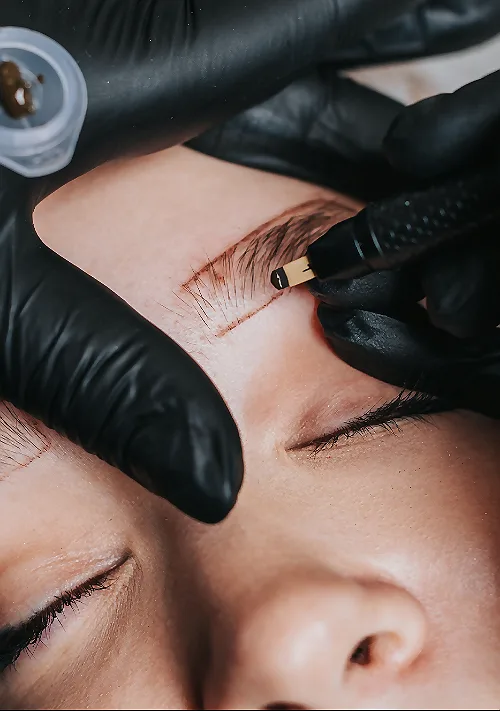
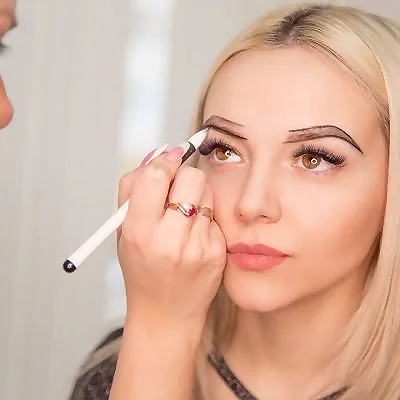
This is the day most students remember. You work on a real person, with an instructor beside you, through the full appointment: consultation, mapping, numbing, the procedure itself and aftercare instructions. Real skin moves, stretches and reacts in ways practice pads cannot imitate, so instructors watch your depth and pressure closely and step in when needed.
Working on a live model has a legal side. California’s Safe Body Art Act treats permanent cosmetics as body art and requires practitioners to register with their local enforcement agency. In Los Angeles that is the county health department’s body art program, so students need to be registered as body art practitioners before the model arrives. Elite can register students for an added $100, renewed annually.
Day 5: what comes after the procedure?
The last stage ties everything together and looks ahead. Typical topics include:
- Healing and aftercare. What clients should and should not do in the first days, and how the brows change as they settle. Elite’s permanent makeup aftercare guide is a good example of client-facing instructions.
- Follow-up visits. Why a perfecting session 4 to 6 weeks later matters, and how to assess healed strokes.
- Practice plan. How to keep improving at home with the kit: 20 Elite microblades, practice skins, brow pencils and rulers.
- Starting out. Building a portfolio, pricing early clients, and using the salon chair rental option so you have a licensed place to work.
Learning microblading at Elite
Elite has taught permanent makeup in West Los Angeles since 2012 and is approved by California’s Bureau for Private Postsecondary Education. The microblading training course page lists the current tuition of $3,000 with the starter kit included, the $250 deposit, financing options and upcoming dates. Your exact daily schedule, including which day your live model is booked, is confirmed when you enroll. When you run low on supplies later, the school also sells microblades and pigments.
Frequently asked questions
Do I need to bring anything on the first day?
Your bloodborne pathogens certificate should already be emailed to the school before class. The starter kit is included in tuition, so ask the team if anything else is needed for your session.
Can I bring my own model?
Elite’s course page says one live model is provided. If you want to bring someone specific, ask the team when you enroll.
Is brow shading the same as powder brows?
They are related. The shading taught in microblading class adds softness and density to strokes, while a dedicated powder or ombré brow course goes deeper into machine shading as a full technique on its own.
What if I am left-handed?
Left-handed artists microblade successfully. Mention it at the start so your instructor can demonstrate positioning and stroke direction from your side.
Will I be ready for paying clients right after the course?
You will have the method and your first supervised procedure. Most new artists keep practicing on skins and models for a while before charging full prices, and that practice period is where consistency comes from.