On this page
Short answer: Scalp micropigmentation typically lasts 3 to 5 years before it needs a refresh. It is long lasting but not permanent: the pigment gradually softens and lightens as skin renews itself. Sun exposure, oily skin, harsh scalp products and skipped aftercare can shorten that time, while good habits help it hold.
This question usually comes from one of two people. One is considering scalp micropigmentation (SMP) and wants to know what they are signing up for. The other had it done years ago and is noticing that the dots look softer or a little lighter. Both deserve a clear answer, so here is what affects how long SMP lasts and what to do when it starts to fade.
Is scalp micropigmentation permanent?
Not in the way a traditional body tattoo is. SMP pigment is placed shallower than body tattoo ink, in the upper layers of the scalp where it can imitate the fine shadow of a hair follicle. That shallow placement is what keeps the dots small and crisp, and it is also why the body slowly breaks the pigment down over time.
That gradual fade is actually useful. Hair loss often changes with age, and so do skin tone and hair color. A treatment that softens over a few years can be adjusted to match you as you change, instead of locking in a hairline you chose a decade ago. Cleveland Clinic describes SMP as usually retaining its appearance for four years or longer. At Elite, we tell clients to expect 3 to 5 years before a refresh.
What makes SMP fade faster?
Every scalp is different, but these are the factors we see most often:
| Factor | Why it matters | What helps |
|---|---|---|
| Sun exposure | UV light breaks down pigment and is the most common reason SMP fades early | Hats outdoors and a scalp-safe sunscreen once healed |
| Oily skin | Oily skin tends to push pigment out and blur dots faster | Gentle cleansing and a realistic refresh schedule |
| Exfoliating products | Acids, retinoids and scrubs speed up skin turnover | Keep these off the treated area |
| Frequent swimming and heavy sweating | Chlorine, salt water and constant moisture can soften pigment, especially early on | Avoid them while healing and rinse after swimming long term |
| Early aftercare mistakes | Getting the scalp wet too soon or picking flakes can pull pigment out | Follow your healing instructions closely |
| Pigment and technique | Dot size, depth and pigment quality affect how cleanly SMP ages | Choose an artist who shows healed work |
Lifestyle is the piece you control. Someone who works outdoors without a hat will usually need a refresh sooner than someone who keeps the scalp covered.
What does fading SMP look like?
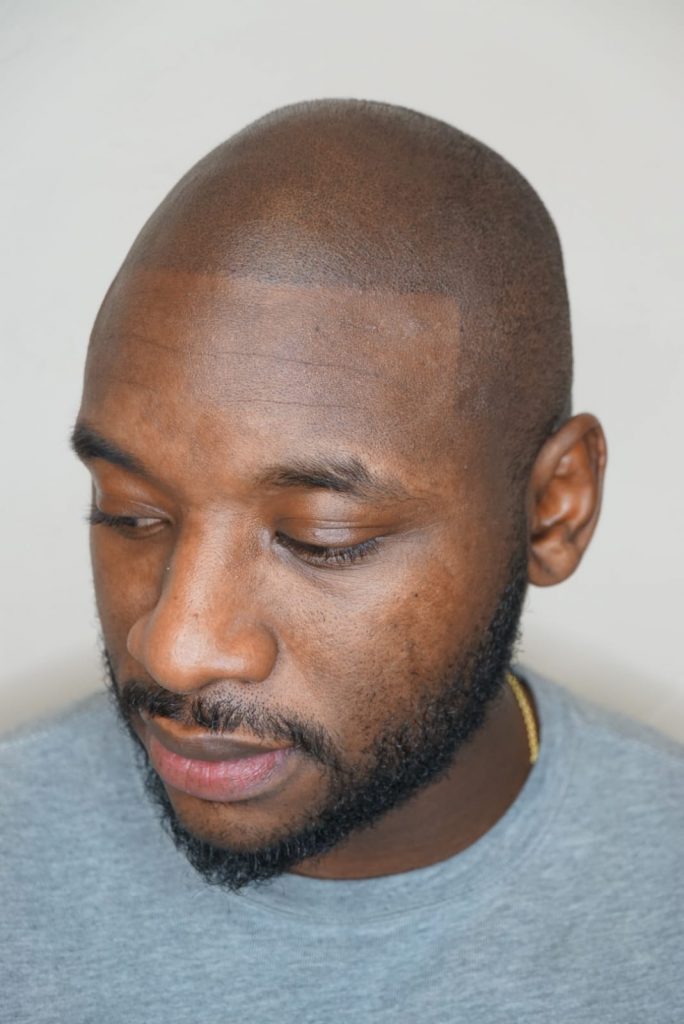
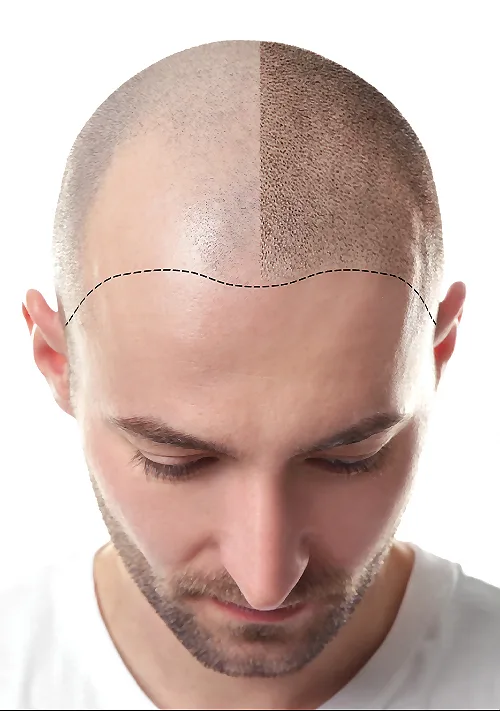
Healthy fading is gradual and even. The dots get a little lighter and slightly softer, and the scalp starts to show a bit more contrast against any remaining hair. The hairline edge may look less defined. Most people notice it first in bright overhead light or in photos.
Fading that is not normal looks different: pigment that has turned blue or green, dots that have merged into a solid patch, or a hairline that has spread outward. Those signs usually point to pigment placed too deep, the wrong pigment, or too much density. They are corrections rather than refreshes, and they may need lightening before new work.
When should you book a refresh?
At Elite, a touch-up is recommended every 3 to 5 years, which matches how long results typically last. There is no need to wait until the treatment has nearly disappeared. A refresh while there is still a clear base to build on is usually simpler, because the artist is reinforcing an existing design rather than rebuilding it.
Consider booking sooner if:
- Your natural hair has thinned further and the SMP no longer matches it.
- Your hair has grayed and the pigment now looks too dark.
- You want to change your hairline shape or add density to a new area.
- The dots look noticeably lighter in daylight or photos.
How does aftercare affect how long SMP lasts?
The first days decide a lot. Pigment that settles well during healing is pigment that lasts. At Elite, clients are asked to keep the treated area dry for 24 to 48 hours. In the days that follow, it helps to avoid heavy workouts and sweating, steam rooms, saunas, swimming and direct sun on the scalp, and to let any flaking come off on its own. Our permanent makeup aftercare guide covers the general principles.
Long term, the rules are simple. Protect your scalp from the sun, keep exfoliating acids and retinol away from the area, and use a gentle shampoo. If you shave your head, shave carefully and keep the skin moisturized so it does not get rough or irritated.
Good aftercare also protects your health. Cleveland Clinic lists infection and allergic reactions among the possible risks of SMP. Contact your provider or a doctor if you notice fever, pus, spreading redness, severe pain or swelling.
Does SMP last longer on some people than others?
Yes. Skin type plays a big role: drier, less oily skin often holds pigment more predictably than very oily skin. Age, how quickly your skin renews itself, and how your body responds to pigment all vary. Some people also have conditions or take medications that affect healing, so tell your artist about your health history. If you are prone to keloid scarring, Cleveland Clinic advises that SMP is not recommended.
Because of this, no honest artist can promise an exact number of years. A range, plus a clear plan for maintenance, is the most accurate answer you will get.
Keeping your SMP fresh at Elite
Elite Permanent Makeup and Cosmetology College in West Los Angeles offers long-lasting scalp micropigmentation for density work and full hairline restoration, priced from $1,500 to $3,000 depending on the area. Each session takes about three hours, and the result is built up over more than one session. Whether you are starting fresh or checking on older work, a free consultation is the place to ask about timing. Artists interested in the technique can explore our scalp micropigmentation training.
Frequently asked questions
Will SMP fade completely if I never touch it up?
It will keep lightening over the years, and how much remains varies from person to person. Faded SMP often still shows faintly but stops looking crisp and convincing, which is why a refresh is recommended.
Can I refresh SMP done somewhere else?
Often, yes, if the original work healed well. If the pigment has changed color, spread or looks too heavy, the artist may suggest a correction plan instead. Bring photos of how it looked when fresh.
Does working out shorten how long SMP lasts?
Heavy sweating matters most during healing. After that, regular exercise is fine. Rinsing sweat off and protecting the scalp from the sun during outdoor workouts helps.
Why did my SMP turn blue?
A blue or gray cast usually means pigment was placed too deep or the wrong pigment was used. It is not normal fading. A qualified artist can assess whether lightening is needed before any new work.
How is a refresh priced?
A refresh is quoted individually. The cost depends on how much has faded and how much area needs attention. Ask for a quote at your consultation.