Improves self-confidence
Diminishing the appearance of scars can boost your self-esteem and comfort in your own skin.
Pigment matched to the skin around your scar, helping it become less visible, so you can feel more confident and comfortable in your own skin.
Procedure time
Typical longevity
Touch-up recommended
Helping people feel more confident and comfortable in their own skin.
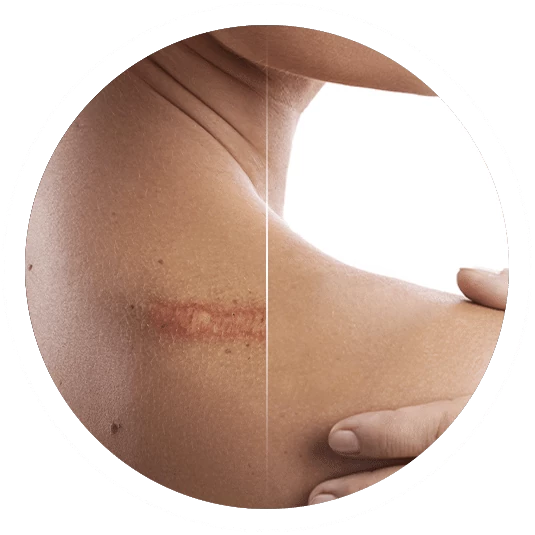
Scar camouflage is a cosmetic tattooing technique that is used to conceal the appearance of scars on the skin. The process involves using a needle to deposit pigment into the scar tissue, matching the color of the surrounding skin and helping to make the scar less visible. This technique can be used on scars resulting from surgery, injury, or other skin conditions, and can help people feel more confident and comfortable in their own skin. The results are semi-permanent and can last for several years with proper care.
Scar camouflage implants tiny particles of pigment into the dermal layer of the skin. By carefully matching pigments to your skin tone, we reduce the visibility of scars so they blend with the surrounding skin.
Diminishing the appearance of scars can boost your self-esteem and comfort in your own skin.
Unlike surgical procedures, scar camouflage is non-invasive with minimal downtime.
Results can last for several years, making it a durable way to improve the look of scars.
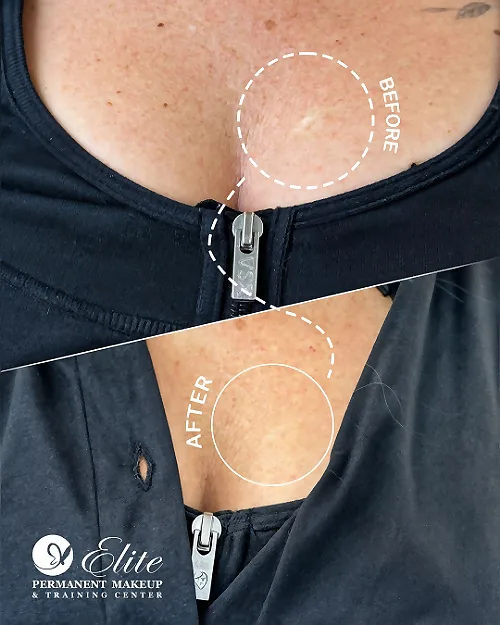
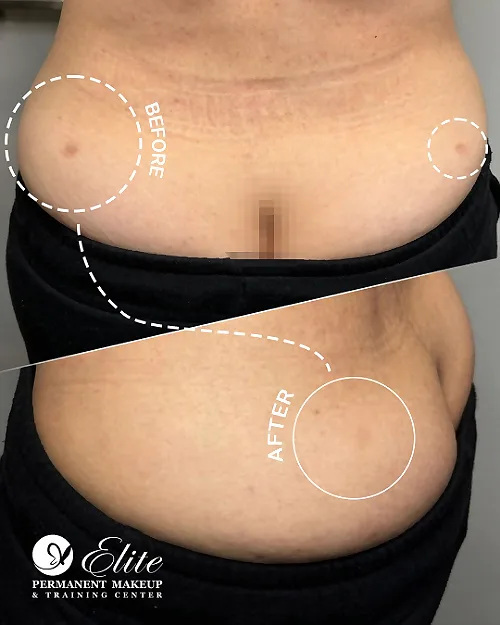
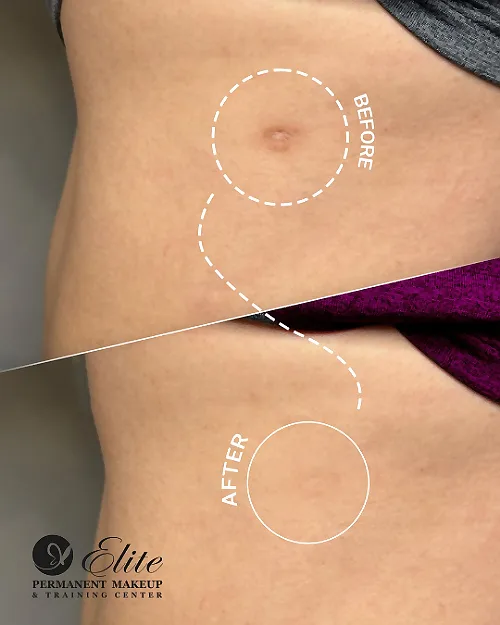
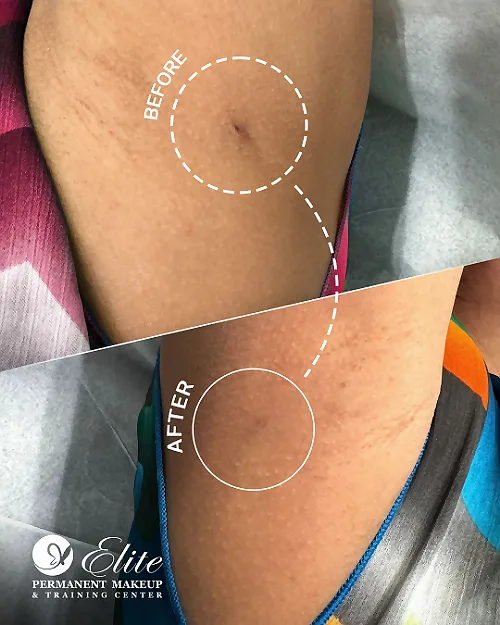
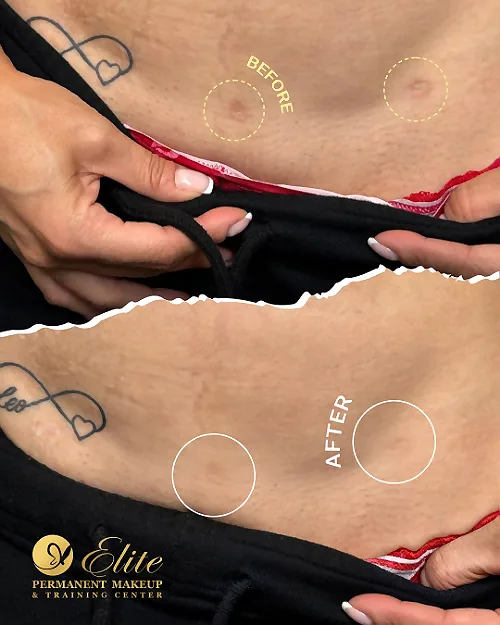
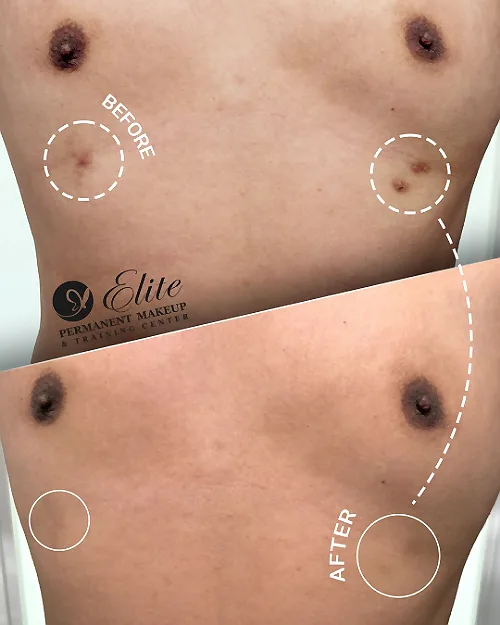
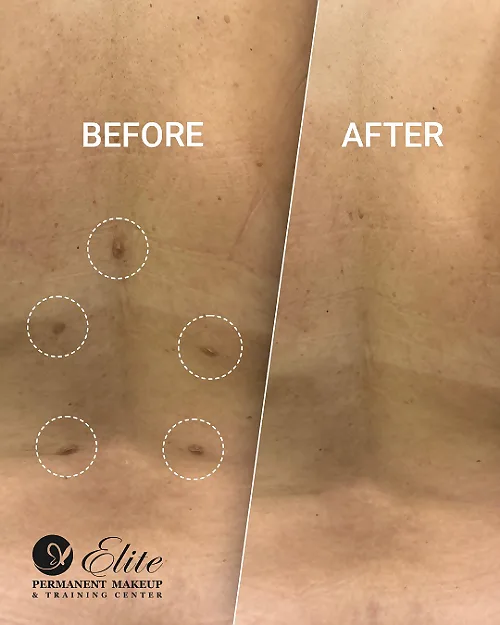
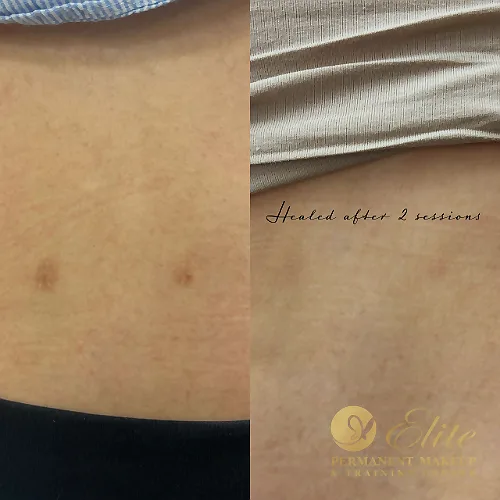
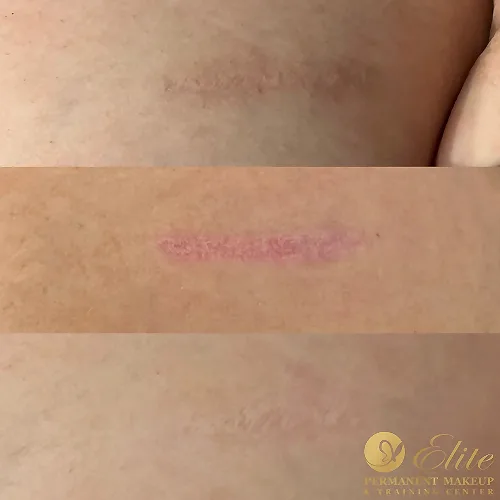
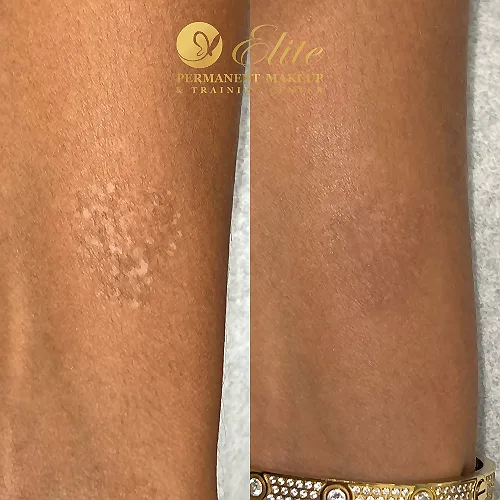
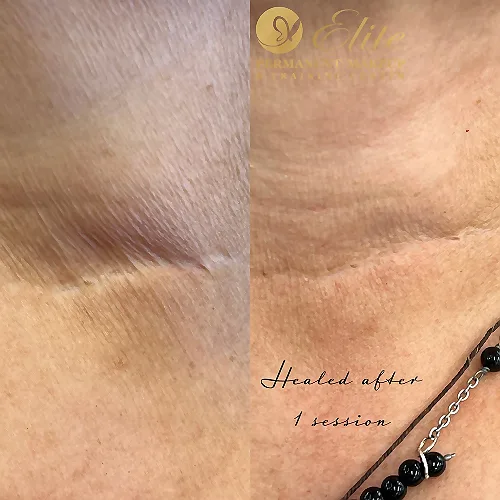
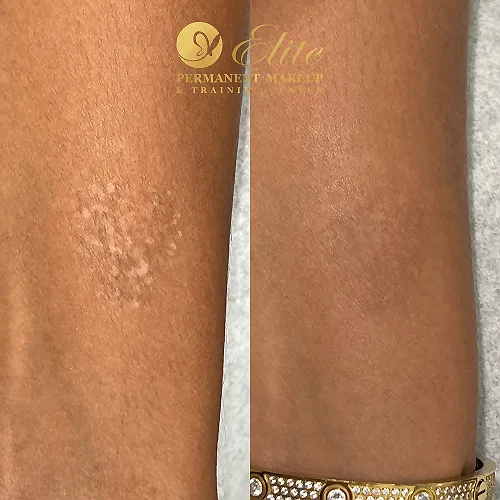
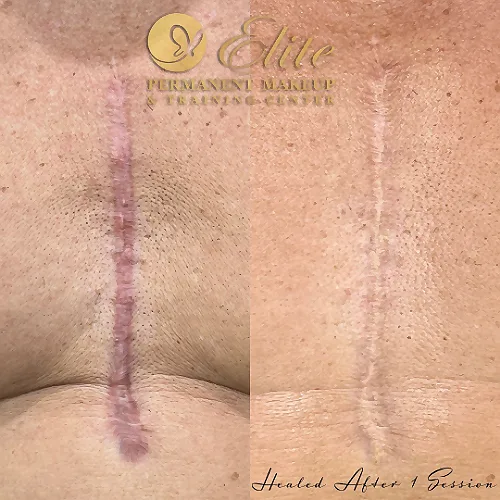
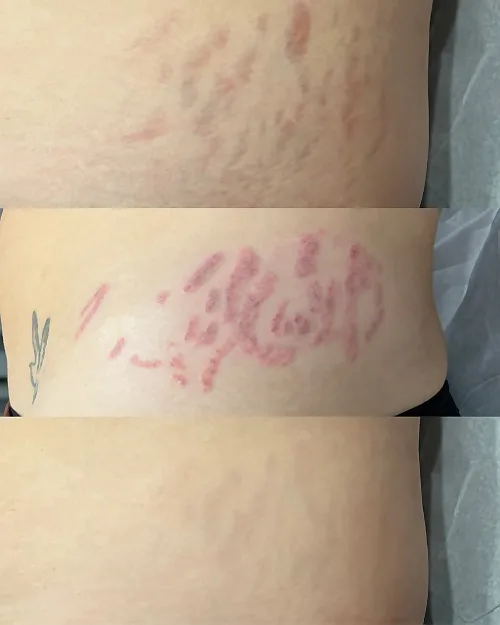
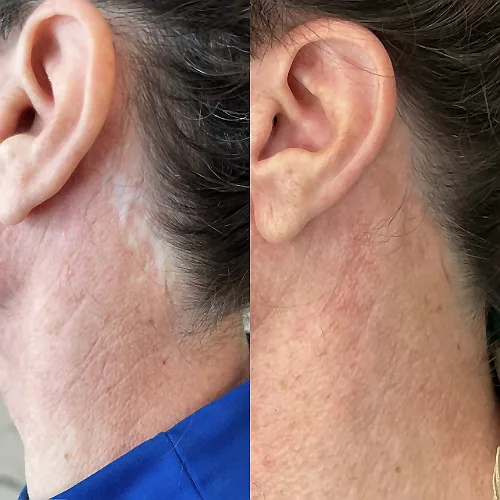
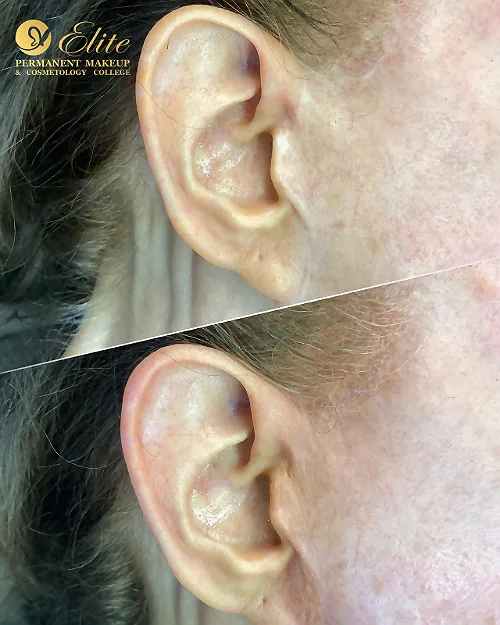
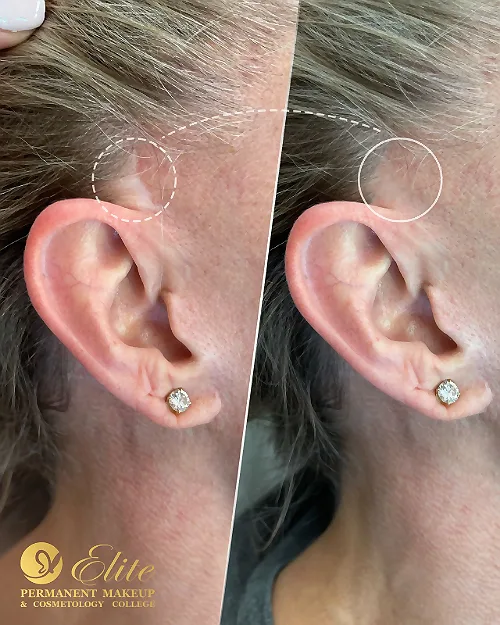
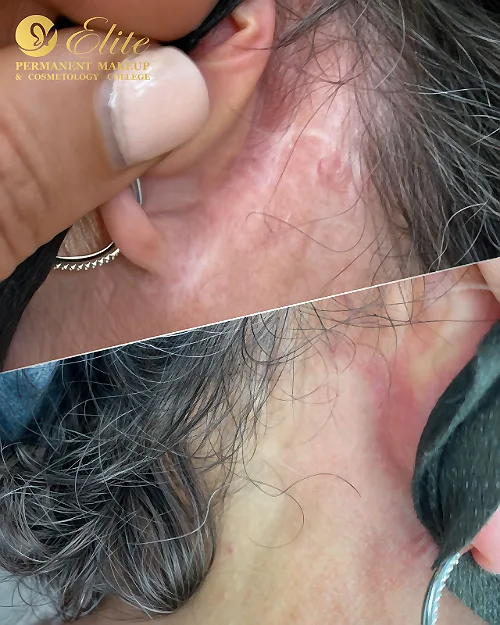
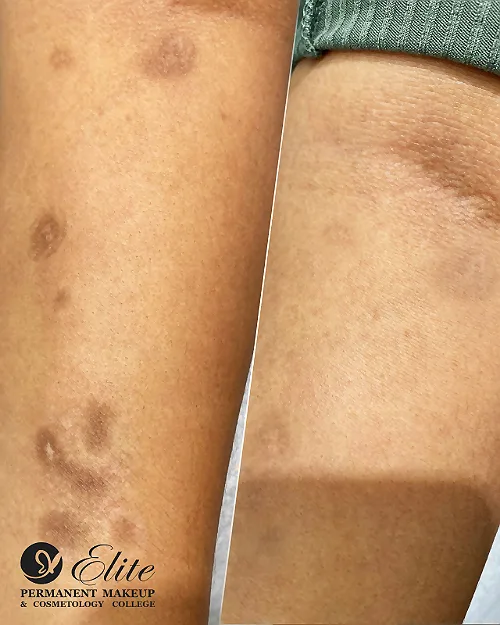
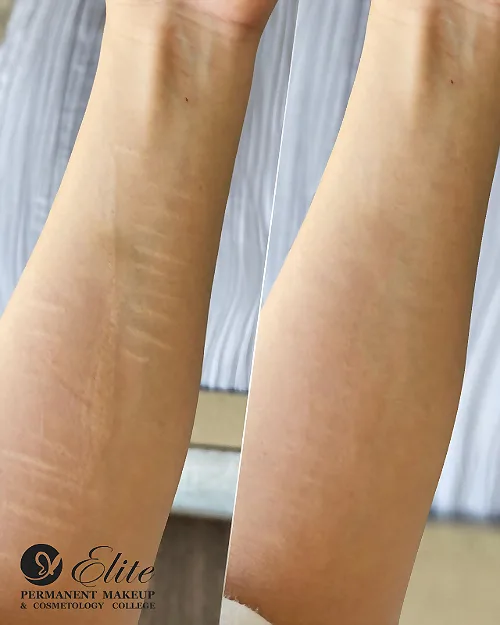
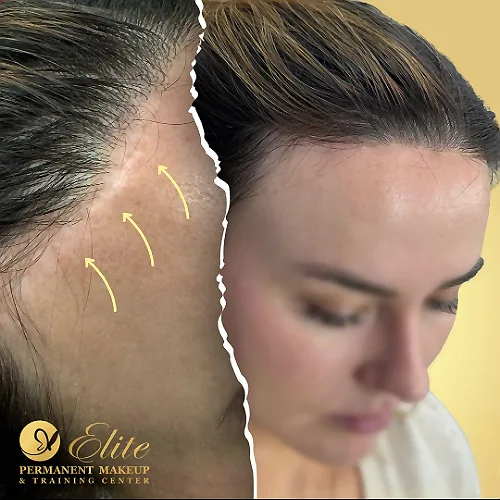
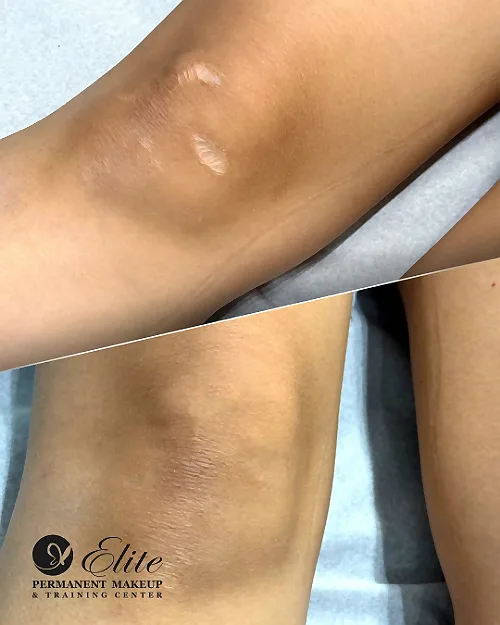
Camouflage works by matching pigment to the skin around the scar, so the closer the scar already is to flat and pale, the better the result. What we look for at consultation is a scar that has fully matured, usually at least twelve months old, is level with the skin around it, and is no longer pink or red. Surgical scars, burn scars, self-harm scars and scars left by skin conditions all fall into this group once they have settled.
We will tell you at consultation if camouflage is not the right answer, and we would rather do that than take a booking that disappoints you. Raised scars and keloids are not good candidates, because adding pigment does not change texture and can draw more attention to a ridge. Scars that are still red or pink are still healing and need more time. Skin that is still changing, from recent surgery or from ongoing treatment, should settle first.
Related work follows the same principle: stretch mark camouflage for pale, mature marks, and areola reconstruction after mastectomy, reduction or top surgery.
The residual scar after a tummy tuck can be blended with precise color matching, helping you reclaim a smooth appearance after your procedure.
Lipo scars are usually small, flat and pale once matured, which makes them good camouflage candidates. If the area also has loose texture, see stretch mark camouflage.
Often hidden in the hairline or around the ears, but still noticeable with shorter hair or updos. Camouflage blends them with your natural skin tone.
Once fully matured, level with the skin and no longer pink or red, these scars fall into the group that responds well to camouflage.
A comprehensive consultation to understand your skin type, color and expectations.
Pigments are meticulously blended to match your unique skin tone.
Pigment is gently infused into the scar tissue, camouflaging the scar and blending it with the surrounding skin.
We guide you through the aftercare needed to ensure the longevity of your results.
Scar tissue does not take pigment the way ordinary skin does, and the color you see on the day is not the color that heals in. A patch test puts a small amount of matched pigment into an inconspicuous part of the scar so we can both see how your skin holds it and how it settles once healed. It costs you nothing and it is the single best predictor of the final result.
Almost always more than one. Camouflage is built in layers, with healing time in between, because going too dense in one sitting is what produces the patchy, obvious results people are afraid of. The number of sessions depends on the size of the scar, how different it is from the skin around it, and how your skin responded to the patch test, so it is agreed with you at consultation rather than guessed in advance.
Each scar is priced individually after we have seen it, because area and session count vary so widely. Give us a call & we can answer any questions you may have regarding pricing!
Permanent makeup for scar camouflage typically lasts 3 to 5 years before a touch-up is needed, and some clients see results last even longer depending on skin type, lifestyle and aftercare. On stretch marks, results can last 3 to 6 years with proper care.
Oily skin tends to break down pigment faster; dry skin may retain pigment longer but can flake.
UV is one of the biggest culprits of fading — unprotected scars can lose their camouflage effect faster.
Exfoliants (AHAs, BHAs, retinoids) and harsh treatments like chemical peels can fade pigment faster.
Deeper pigment lasts longer but must be placed carefully to avoid an unnatural look.
“PMU for scar camouflage lasts forever.”
While it is long-lasting, it does fade over time and requires maintenance.
“You can use any skincare product over PMU.”
Certain products, like retinoids and exfoliants, can accelerate fading.
Read the full guide: How long does permanent makeup for scar camouflage last?
We change people’s lives.
The healing process typically takes about two weeks, although it can vary depending on the size and location of the scar. You will need to apply aftercare ointment for at least 7-10 days. Immediately after the procedure, the area may be red, swollen, and tender to the touch, and there may be some mild bleeding. It is important to keep the area clean and dry for the first few days, avoiding exposure to water or other fluids like sweat.
During the first week, a scab will form over the treated area. It is important not to pick at the scab or scratch the area, as this can lead to scarring or infection. After the scab falls off, the area may appear slightly lighter than the surrounding skin, but the color should gradually darken over the next few weeks.
It is important to avoid exposure to the sun during this time, as this can cause the pigment to fade or change color. It is also important to avoid salt water, chlorine water, jacuzzis, saunas, steam rooms, gardening, & anything else that can introduce bacteria into the procedure area. With proper care, the results of scar camouflage tattooing can last for several years, helping to improve the appearance of scars and boost confidence and self-esteem.
With scar camouflage tattooing, it is ultimately up to the client to decide when they think they need a touch-up. Since everyone’s skin is different and scars may respond differently to the tattooing process, some people may find that they need a touch-up sooner than others. After the scar has been successfully concealed, a touch-up may be needed every 3-5 years to maintain the desired appearance.
Paramedical tattooing is the least crowded and best paid corner of permanent makeup. If you want to offer this work yourself, our paramedical tattoo training covers scar camouflage, stretch mark work and areola reconstruction hands-on in West Los Angeles.
Visit Elite at 11961 Santa Monica Blvd, Los Angeles — or call our team with any questions before you book.